SUPPORTING PROGRAMMES

20150922_112804

English Learning

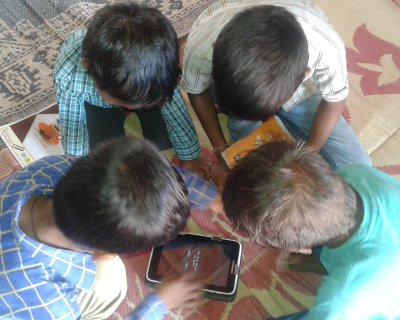
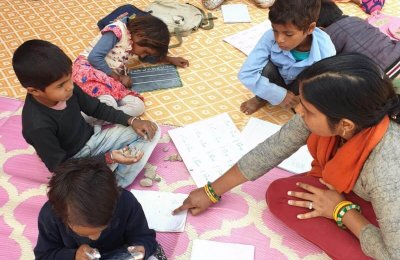
A combination of comprehensible input/print-rich environments and more explicit language instruction are important for learning English. The English programme implements this approach, while remaining sensitive to available resources, and varying needs and skill levels of students (as well as of the teachers). GSK teachers have tried and tested this approach in Uday classrooms and noticed a significant improvement in the learning level of children. We look forward to emulating this progress in our Vistaar intervention schools. The crux of English teaching at Uday is a theme-based approach; contextually relevant themes are decided upon every month, and students’ reading, speaking and writing are worked on based on the chosen theme. The resource teacher provides support to their peers, through assistance in lesson planning, execution and reflection. During mentorship sessions, teachers are given tasks to enhance their own capacity and are encouraged to take initiative.

20200204_141147

STEAM Education

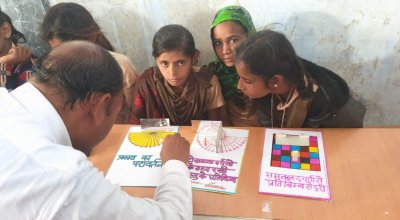
GSK established a STEAM (Science, Technology, Engineering, Arts, Mathematics) Laboratory in 2017 at Bodal village, for demonstrating research and activity-based learning, while emphasizing on quality in STEAM education at the surrounding government schools. The initiative has become a critical component of the Vistaar programme and has provided opportunities for exposure to our Umang Programme cohorts. We intend to setup two more such resource labs for the government schools in the district.

IMG-20200127-WA0033

Sports

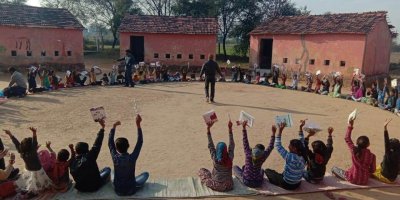
More than 500 children from Uday and Vistaar government schools have played at block, district, state and national-level sports tournaments. 35 Uday Schools alumni have been selected for sports academies to help them enhance their sporting talents. Notably, our girls are four time district Handball champions. Sports have encouraged girls to attend school, travel outside their village to participate in tournaments, and realize their agency.

Forum Theatre- Navaras Programme

Navras Programme

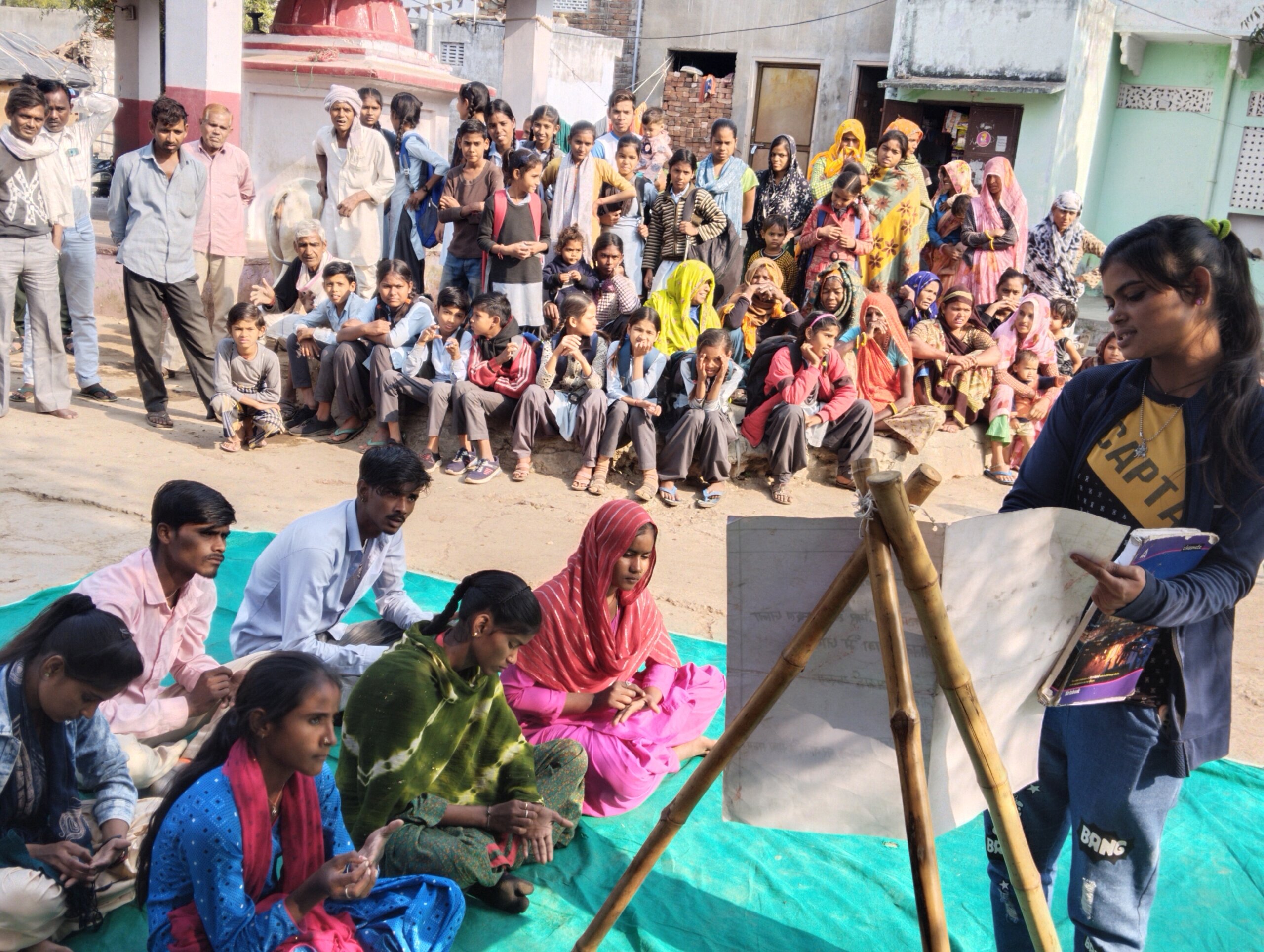
The Navras Programme uses participatory theatre to spark dialogue and critical reflection within rural communities. Through Forum Theatre, real community stories are performed to examine social issues such as education, governance, alcohol use, and harassment. Audiences actively engage with the performances—questioning, intervening, and imagining collective solutions rooted in their own lived realities. Each intervention is supported by follow-up discussions to understand shifts in awareness and perspective.

The programme also uses folk music as a pedagogical tool to support holistic learning among children. Rooted in regional musical traditions and oral storytelling, it introduces values of empathy, tolerance, and secularism while encouraging creativity and critical thinking. Through regular school-based engagements led by folk practitioners and supported by activity-based learning using everyday materials, the programme helps children connect education with their cultural context and lived experience.

IMG_20201007_145536_101

Capacity Building of Our Team

English Programme: The crux of English teaching at Uday is a theme-based approach; contextually relevant themes are decided upon every month, and students’ reading, speaking and writing are worked on based on the chosen theme. The resource teacher provides support to their peers, through assistance in lesson planning, execution and reflection. During mentorship sessions, teachers are given tasks to enhance their own capacity and are encouraged to take initiative.

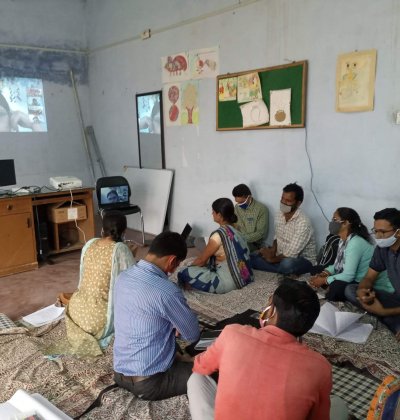
Online Training: Teachers attend a plethora of workshops online- for example, training in life skills development by an external resource person, in participatory & activities-based STEM teaching and Dance Movement Therapy, in collaboration with Avishkaar and Kolkata Sanved, respectively, and peer learning sessions led by the teachers themselves. 

Improvement of Technical Know-How Post-COVID: The times have demanded a shift to virtual modes of communication, with training and team-meetings taking place via video-call, and building and sharing of study material taking place digitally. This has provided our teachers the opportunity to enhance their capacity when it comes to basic technical know-how.



Subscribe now for more information